
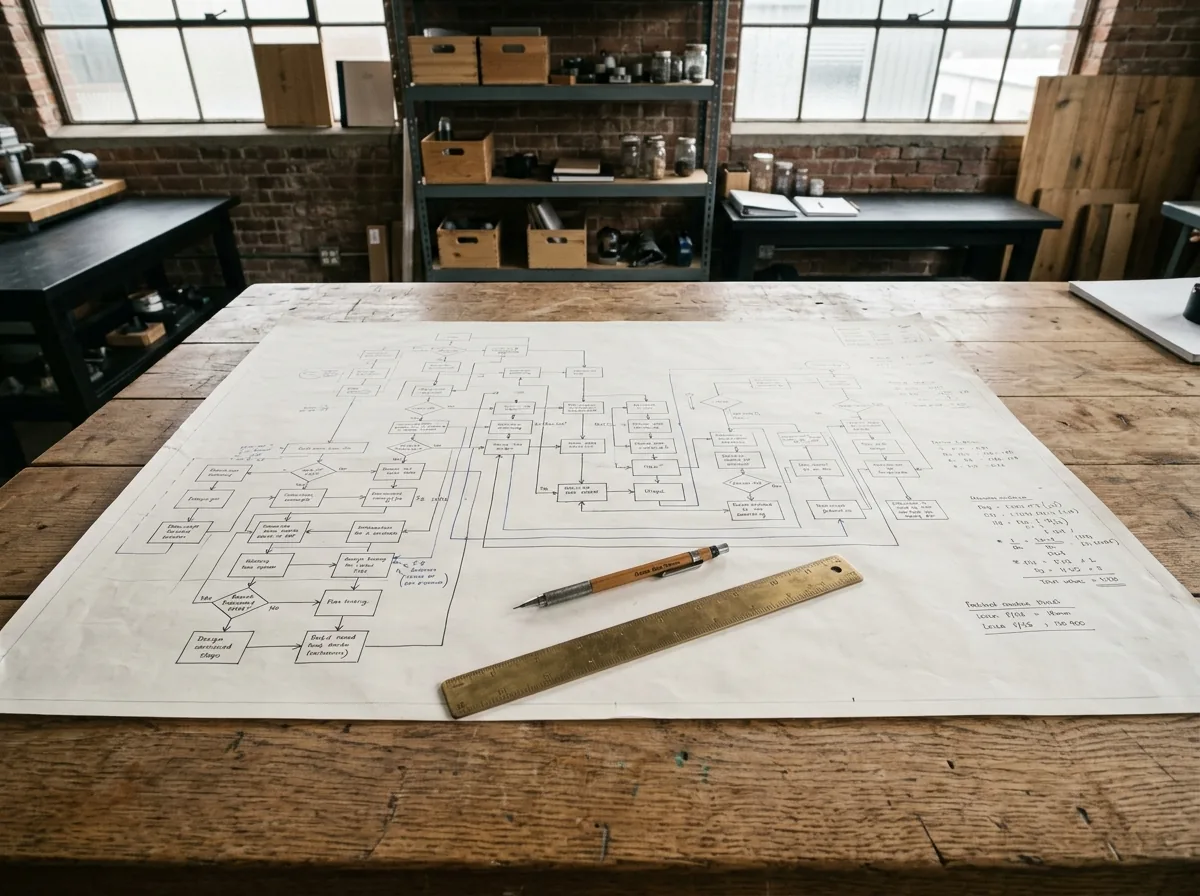
Fig. 03 · The conversation table, where every build begins
AI operations studio · Portland, OR · est. 2021
We design, build, and maintain the AI systems that run your operations. Every build is documented, measured, and serviced. No hype, no black boxes.
45 minutes. An engineer, not a salesperson.
Everything we ship falls into one of three categories. If your problem does not fit, we will tell you in the first call.
The repetitive work between your tools: intake, routing, enrichment, follow-up, reconciliation. We wire it together so it runs without anyone touching it, and alerts a human the moment something looks wrong.
Drafting, summarizing, triaging, answering. Assistants scoped to one job each, trained on your playbooks, with a human approving anything that leaves the building. Your team stays in charge; the drudgery leaves.
The pipes that make the first two possible. Clean, deduplicated, auditable data moving between systems on schedule, ending in reports your leadership actually opens.
A real build for a 40-person logistics client. Watch it assemble as you scroll: every stage documented, every failure path planned.
Every engagement has a baseline week and a follow-up measurement. These are real deltas from the last year.
Quote turnaround, from 3 days to 11 minutes. The machine drafts; a coordinator approves. 4,100 quotes and zero pricing errors.
"It works every day, and when a carrier API changed, they had fixed it before we noticed."
COO, regional freight brokerage
Annual dispatcher hours returned by automating job intake, scheduling suggestions, and customer updates across 6 branches.
"We grew 30% last year and did not add a single back-office hire. That was the whole promise, and they hit it."
Owner, HVAC and plumbing group
Hours of weekly partner time spent assembling client reports, now generated from live data with a partner reviewing for 20 minutes.
"The reports are better than the ones we made by hand. Clients noticed within the first month."
Managing partner, accounting firm
Fig. 03 · The conversation table, where every build begins
Anyone can demo an automation. Keeping one running through API changes, staff turnover, and edge cases is the actual job.
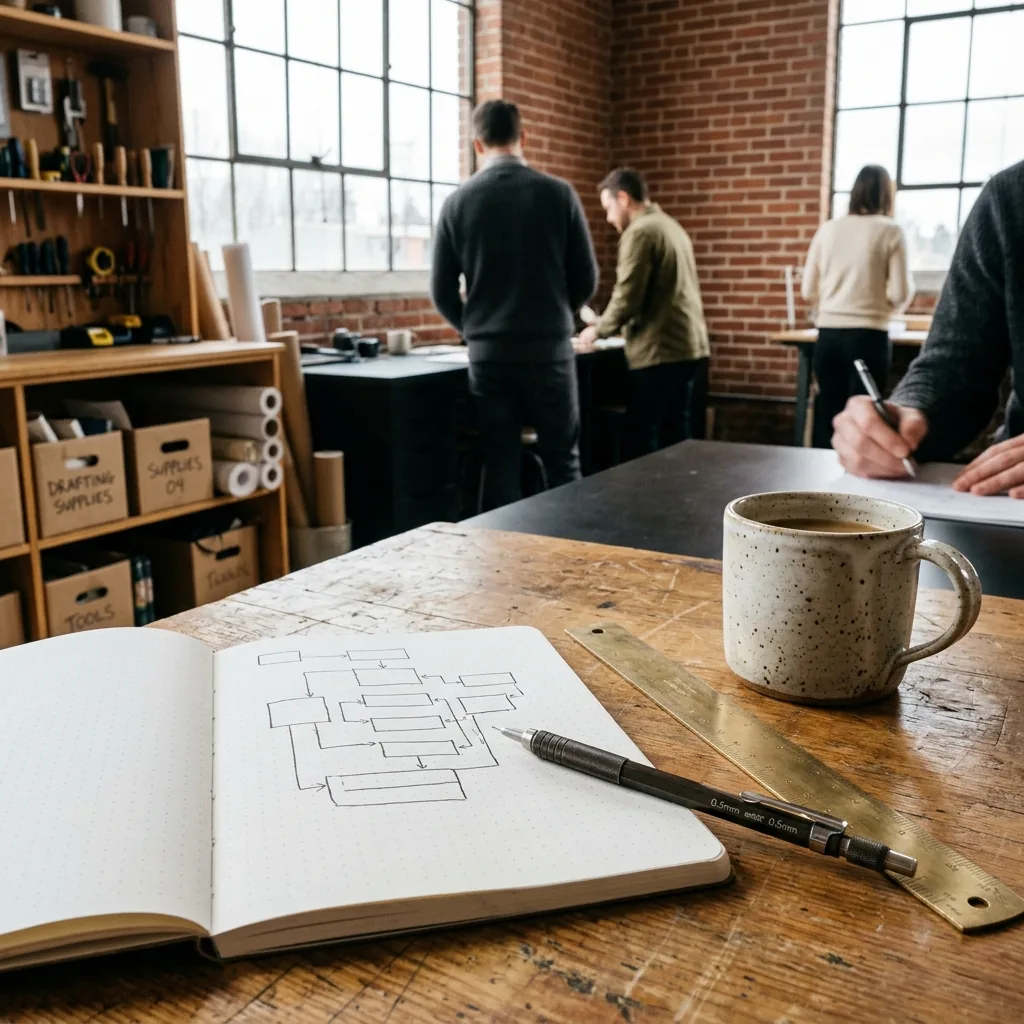
A week inside your operation. We shadow the team, time the work, and find where hours actually leak. You get the findings whether we proceed or not.
Deliverable: operations map + hours ledgerThe blueprint: every trigger, every decision rule, every failure path, every human checkpoint, on paper before anything gets built. You approve the drawing first.
Deliverable: build spec you ownTwo to six weeks of construction in your stack, not ours. Everything lives in accounts you control. We never hold your systems hostage.
Deliverable: production system + runbookThirty days of parallel running against the baseline. The machine earns its place with measured hours, or we keep tuning until it does.
Deliverable: before / after measurementMonthly service like real machinery: monitoring, updates when your tools change, quarterly reviews to find the next leak. This is why our systems still run years later.
Deliverable: 99.2% uptime, someone to call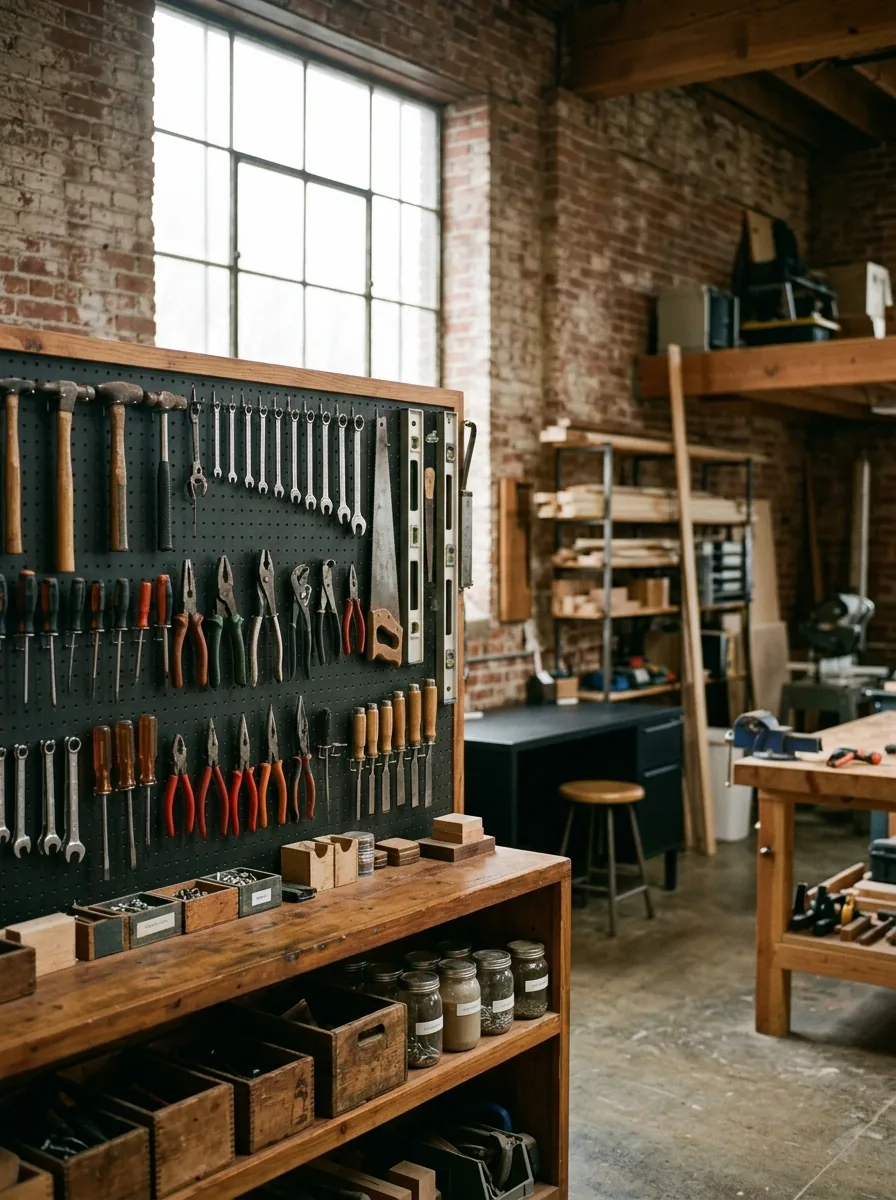

Ana spent eight years running fulfillment and support operations for a 200-person retailer before founding Millwright in 2021. She started the studio because every automation vendor she hired disappeared after launch.
We are a studio of nine. Small on purpose: every client works directly with the engineers who built their system, and we take on four new builds per quarter.
No, and we will not build it to. Our systems remove the repetitive fraction of existing jobs, roughly 8 to 15 hours per person per week in most operations. Clients grow into the freed capacity; in five years, zero have used our work to cut headcount.
Every blueprint includes human checkpoints where judgment matters and hard rules where it does not. Anything customer-facing gets approved by your team until the error data says it should not need to be. We publish error rates per system, monthly.
Most automations die from neglect, not bad construction. APIs change, staff change, volume changes. Maintenance is the half of our business that makes the other half real: monitoring, monthly service, and a person who answers.
Builds run $18K to $75K depending on scope, plus monthly maintenance from $1,500. The observe week comes first and prices the whole thing before you commit to anything. If the hours math does not clear 3x in year one, we will tell you not to hire us.
Yours. Your cloud, your API keys, your data. If we part ways, everything keeps running and the runbook tells your next engineer how it works. No hostages.
Book the observe week. An engineer sits with your team, maps the operation, and prices the machine that fixes it. Keep the findings either way.